
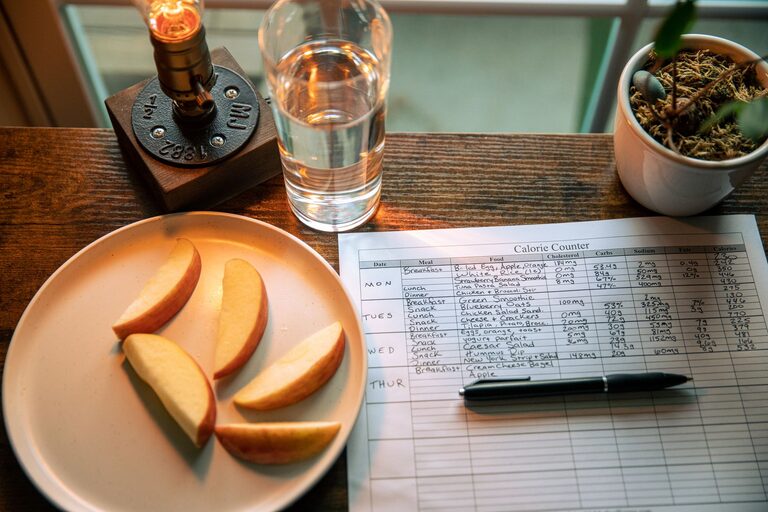
Planning balanced meals might seem overwhelming, especially with busy schedules and countless food choices. However, it doesn’t have to be complicated or stressful. With some simple strategies and a bit of preparation, you can enjoy nutritious, well-rounded meals every day without the hassle. This guide will walk you through easy steps to plan balanced meals that fit your lifestyle, save time, and support your health.
What Is a Balanced Meal?
A balanced meal provides your body with the right amounts of key nutrients: carbohydrates, protein, healthy fats, vitamins, and minerals. Typically, a balanced plate includes:
– Vegetables and fruits: Rich in fiber, vitamins, and antioxidants
– Protein: Supports muscle health and keeps you full (examples: lean meats, beans, tofu, eggs)
– Whole grains or complex carbs: Provide energy and fiber (such as brown rice, quinoa, whole wheat bread)
– Healthy fats: Important for brain health and hormone functions (like olive oil, nuts, avocado)
When these components are combined thoughtfully, they deliver sustained energy and help maintain overall well-being.
Why Planning Matters
Without planning, meals can become repetitive or rely on convenience foods that may lack nutrition. Planning:
– Saves money by reducing impulse buys and food waste
– Saves time, making grocery shopping and cooking quicker
– Helps you avoid last-minute unhealthy choices
– Supports long-term health by ensuring variety and nutrient intake
Step-by-Step Guide to Stress-Free Meal Planning
1. Assess Your Weekly Schedule
Begin by looking at your upcoming week. Consider days when you’ll have time to cook and days when you might need quick meals or leftovers. This step will help you decide how many meals to plan and what kind of recipes to choose.
2. Choose Simple, Versatile Recipes
Pick recipes that use similar ingredients or can be made in bulk. For example, grilled chicken, roasted vegetables, and quinoa can be mixed and matched for multiple meals. This approach cuts down on cooking time and simplifies shopping.
3. Build Your Meal Around Vegetables
Make vegetables the star of your meals, filling half your plate with a variety of colors and types. Frozen vegetables are a great option for convenience and long shelf life without losing nutrients.
4. Include a Protein Source
Ensure each meal has a protein component for satiety and muscle support. Rotate between animal and plant-based proteins to keep things interesting and balanced.
5. Don't Forget Whole Grains or Healthy Carbs
Add complex carbohydrates like sweet potatoes, brown rice, or whole grain pasta to fuel your body. These provide fiber and help maintain steady energy levels.
6. Plan Healthy Snacks
Incorporate nutritious snacks such as nuts, yogurt, or fruit to keep energy steady throughout the day and prevent overeating at mealtime.
7. Make a Grocery List and Stick to It
Write down all ingredients you’ll need for your planned meals before shopping. Sticking to your list helps avoid buying unnecessary items and ensures you have everything to prepare your meals.
Tips for Success
– Batch cook: Prepare large portions and store leftovers for quick meals later.
– Use time-saving tools: Slow cookers, instant pots, or air fryers can simplify cooking.
– Prep ingredients in advance: Chop vegetables or marinate proteins ahead of time to cut down on daily meal prep.
– Be flexible: Allow room for spontaneous meals or dining out without feeling guilty.
– Stay hydrated: Drinking water supports digestion and overall health alongside balanced meals.
Sample One-Day Balanced Meal Plan
– Breakfast: Greek yogurt with fresh berries and a sprinkle of granola
– Lunch: Mixed greens salad with grilled chicken, cherry tomatoes, avocado, and a light vinaigrette
– Snack: Carrot sticks with hummus
– Dinner: Baked salmon with quinoa and steamed broccoli
– Snack: A small handful of almonds and an apple
Final Thoughts
Planning balanced meals doesn’t have to be a source of stress. By preparing ahead, focusing on simple ingredient combinations, and incorporating a variety of nutrient-rich foods, you can enjoy tasty, nourishing meals every day. Remember, consistency is key, and even small steps toward better planning can make a big difference for your health and well-being.
Start with these tips and adapt them to suit your tastes and routines. With practice, meal planning will become easier—and more enjoyable!