
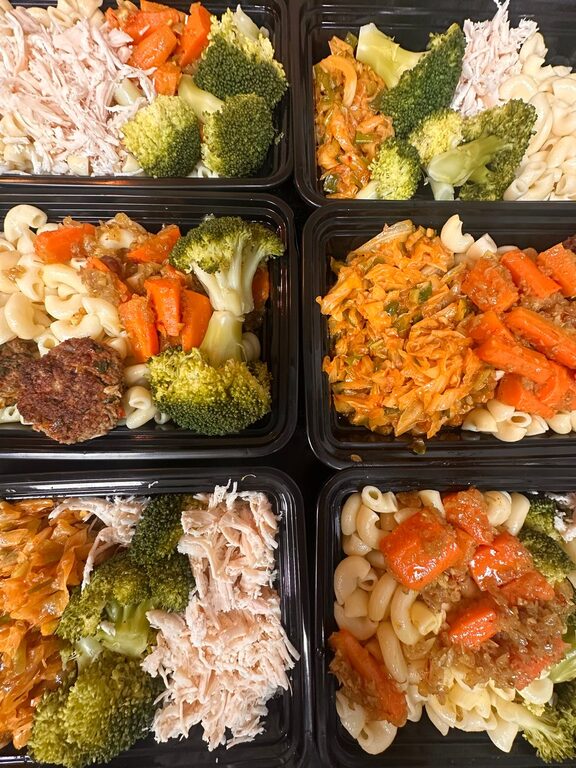
Creating a weekly meal plan can transform the way you shop, cook, and eat. It reduces the daily “What’s for dinner?” stress, helps manage your grocery budget, and encourages healthier meal choices. If you’re new to meal planning or want to keep things simple, this guide will walk you through how to create an effective and easy weekly meal plan.
Why Create a Weekly Meal Plan?
Meal planning offers several benefits:
– Saves time by reducing last-minute decisions.
– Minimizes food waste with organized shopping lists.
– Helps maintain a balanced diet by planning varied meals.
– Reduces stress around mealtimes.
– Supports budget-friendly shopping by avoiding impulse buys.
With these advantages, the process of planning meals becomes an investment in your daily routine.
Step 1: Assess Your Week Ahead
Start by considering your schedule for the upcoming week. Look for:
– Busy days when you’ll need quick or make-ahead meals.
– Social events or dining out plans.
– Special occasions or gatherings.
– Days when you want to try something new or cook a more elaborate meal.
Knowing your week helps you tailor your plan realistically.
Step 2: Set Your Meal Planning Goals
Think about what you want to achieve:
– Eating more vegetables?
– Reducing takeout meals?
– Trying new recipes?
– Simplifying cooking with batch meals?
Clear goals help guide your choices and keep your plan manageable.
Step 3: Choose Your Meals
Breakfast Ideas
Keep breakfast simple and nutritious:
– Overnight oats with fruit
– Yogurt with granola and honey
– Whole grain toast with avocado
– Smoothies packed with veggies and fruits
Lunch Options
Plan lunches that are easy to pack or prepare:
– Salad bowls with protein (chicken, beans, tofu)
– Sandwiches or wraps with fresh veggies
– Leftovers from dinner
– Soups or stews
Dinner Selections
Aim to balance protein, vegetables, and grains:
– Stir-fry with mixed veggies and rice
– Pasta with tomato sauce and a side salad
– Baked fish with roasted vegetables
– Tacos with lean meat and fresh salsa
Snacks
Include healthy snacks to keep energy steady:
– Nuts and seeds
– Fresh fruit
– Cut veggies with hummus
– Cheese and whole-grain crackers
Step 4: Create Your Meal Plan Template
Make a simple chart or use a planner app to map out meals by day and time. A basic template might include:
| Day | Breakfast | Lunch | Dinner | Snacks |
|———–|———————|———————|———————-|———————-|
| Monday | | | | |
| Tuesday | | | | |
| … | | | | |
Fill in your chosen meals based on your schedule and preferences.
Step 5: Make a Grocery List
Once your meals are planned, write down all needed ingredients. Group items by categories like produce, dairy, meat, pantry staples, and frozen foods. This helps you shop efficiently and avoid missing essentials.
Step 6: Prep in Advance
Save time during the week by preparing ingredients ahead:
– Chop vegetables and store them in containers.
– Cook grains or proteins in batches.
– Portion snacks and pack lunches for the next day.
– Marinate meats or assemble casseroles to bake later.
Prepping reduces cooking time and makes mealtimes smoother.
Step 7: Stay Flexible and Review Weekly
Meal plans should serve you, not stress you out. If something doesn’t work, adjust it the next week. Allow room for spontaneity or changes in schedule. At the end of each week, review what worked well and what could be improved.
Tips for Success
– Start Small: Plan just dinners if full-day planning feels overwhelming.
– Use Simple Recipes: Choose recipes with few ingredients and easy instructions.
– Involve the Family: Get input from household members to include favorite meals.
– Batch Cook: Prepare larger portions to enjoy leftovers on busy days.
– Keep a Recipe List: Maintain a list of go-to recipes for quick planning.
Conclusion
Creating a simple weekly meal plan doesn’t have to be complicated. By considering your schedule, setting goals, selecting balanced meals, and prepping ahead, you can make cooking easier and mealtimes more enjoyable. With a little practice, meal planning will become a helpful routine that supports your lifestyle and nutrition goals.
Happy planning and happy cooking!